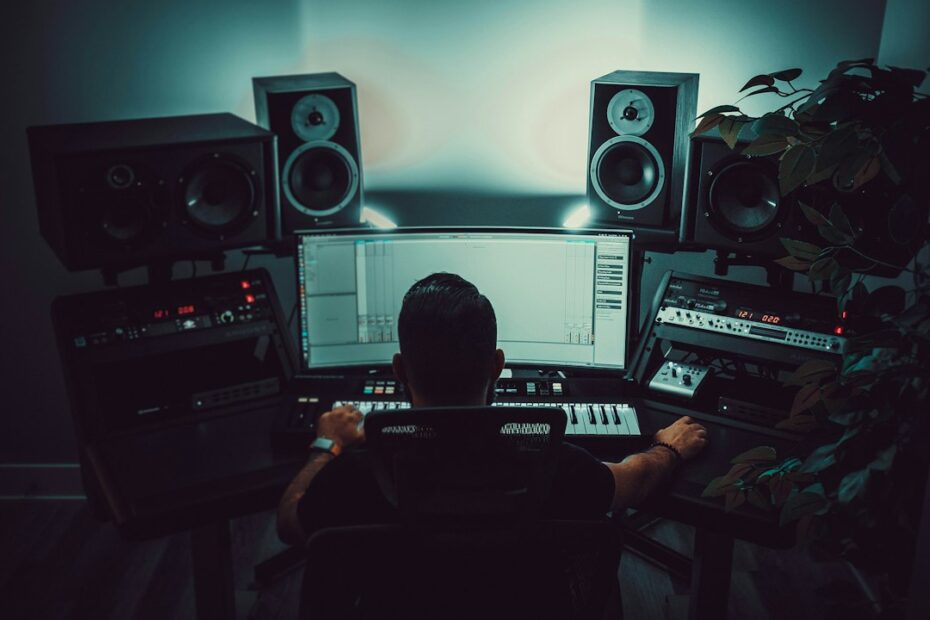
Rhythm has always played a significant role in human culture and society. From ancient tribal rituals to modern-day music, rhythm has the power to move us, inspire us, and connect us to something greater than ourselves. But beyond its ability to entertain and captivate, rhythm can also be a powerful tool for self-discovery and personal growth.
In this article, we will explore the various ways in which rhythm can be used as a tool for self-discovery. We will delve into the science behind sound therapy and its benefits, the effects of binaural beats on the brain, the healing power of music therapy, the connection between rhythm and meditation, and how beat making can be used as a mindful practice for creative expression and emotional exploration. By embracing the power of rhythm, we can embark on a journey of self-discovery that is both transformative and enlightening.
Key Takeaways
- Rhythm can be a powerful tool for self-discovery and healing.
- Sound therapy, including binaural beats, has been shown to have numerous benefits for the brain and body.
- Music therapy can be used to express emotions and promote healing.
- Rhythm can be used in meditation and mindfulness practices.
- Beat making can be a mindful practice that promotes self-discovery and creativity.
The Science Behind Sound Therapy and Its Benefits
Sound therapy is a form of therapy that uses sound vibrations to promote healing and relaxation. Scientific research has shown that sound therapy can have numerous positive effects on the mind and body. For example, studies have found that listening to certain types of music can reduce stress levels, lower blood pressure, and improve sleep quality.
One popular form of sound therapy is the use of singing bowls. Singing bowls produce a rich, resonant sound when struck or rubbed with a mallet. This sound is believed to have a calming effect on the mind and body, promoting relaxation and reducing anxiety. Another form of sound therapy is the use of tuning forks. Tuning forks produce a pure tone when struck against a surface, and these tones are believed to help balance the body’s energy centers or chakras.
Binaural Beats: How They Work and Their Effects on the Brain
Binaural beats are another powerful tool for self-discovery and personal growth. Binaural beats are created by playing two slightly different frequencies in each ear, which then creates a third frequency in the brain. This third frequency is believed to synchronize brainwaves and induce a state of deep relaxation or meditation.
When we listen to binaural beats, our brainwaves begin to match the frequency of the beats. This can lead to a variety of positive effects on the brain, such as increased focus, reduced anxiety, and improved sleep quality. Binaural beats have also been used to enhance creativity and problem-solving abilities.
Music Therapy: Using Music as a Tool for Healing and Self-Expression
Music therapy is a form of therapy that uses music to address physical, emotional, cognitive, and social needs. It has been shown to have numerous benefits for individuals of all ages and abilities. Music therapy can be used to reduce stress and anxiety, improve communication skills, enhance self-expression, and promote emotional healing.
One of the key benefits of music therapy is its ability to provide a safe and non-threatening outlet for self-expression. Through music, individuals can explore their emotions, express their thoughts and feelings, and gain insight into their own experiences. This can be particularly beneficial for individuals who struggle with verbal communication or have difficulty expressing themselves in traditional ways.
The Connection Between Rhythm and Meditation
Meditation is a practice that involves focusing the mind and achieving a state of deep relaxation and inner peace. Rhythm can be a powerful tool for enhancing the meditation experience. When we engage with rhythm, whether through drumming, chanting, or simply tapping our fingers, we can enter a state of flow where our mind becomes fully absorbed in the present moment.
Rhythm helps to anchor our attention and bring us into the present moment. It provides a focal point for our awareness, allowing us to let go of distracting thoughts and worries. By focusing on the rhythm of our breath or the beat of a drum, we can quiet the mind and enter a state of deep relaxation and inner stillness.
Mindfulness and Rhythm: How to Use Beat Making as a Mindful Practice
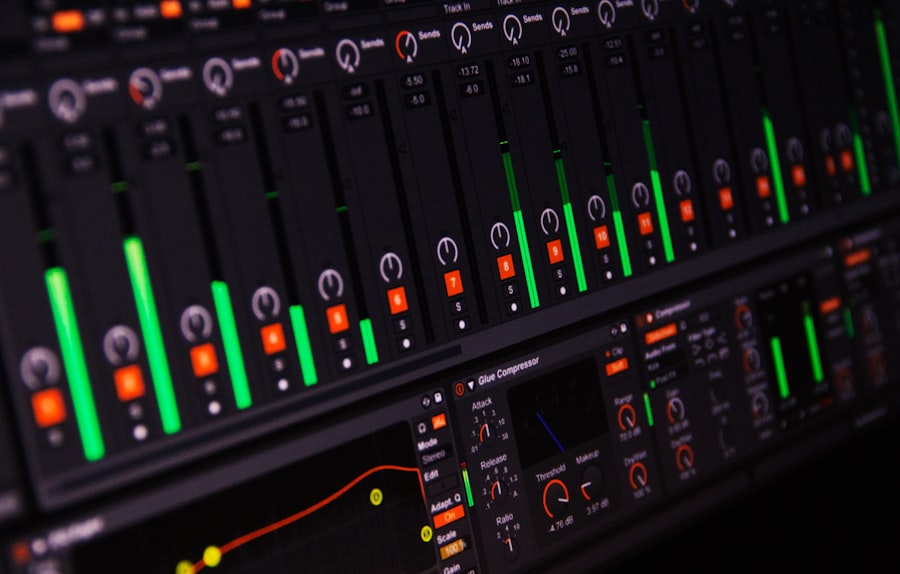
Mindfulness is the practice of bringing our attention to the present moment with an attitude of openness, curiosity, and non-judgment. Beat making, the process of creating rhythms and beats using electronic music production software or physical instruments, can be a powerful tool for cultivating mindfulness.
When we engage in beat making, we become fully absorbed in the process of creating music. We focus our attention on the sounds we are creating, the patterns we are forming, and the emotions we are expressing. This deep level of engagement allows us to enter a state of flow where our mind becomes fully present and our sense of self fades away.
To incorporate mindfulness into beat making, it can be helpful to start by setting an intention for your practice. This could be to simply enjoy the process of creating music, to explore a particular emotion or theme, or to cultivate a sense of calm and relaxation. As you engage in beat making, pay attention to the sensations in your body, the sounds you are creating, and the thoughts and emotions that arise. Allow yourself to fully immerse in the experience without judgment or attachment to any particular outcome.
The Creative Process: Exploring Emotions and Self-Discovery Through Beat Making
The creative process of beat making can be a powerful tool for exploring emotions and engaging in self-discovery. When we create music, we have the opportunity to express ourselves in a unique and personal way. We can use rhythm, melody, and harmony to convey our thoughts, feelings, and experiences.
Beat making allows us to tap into our subconscious mind and access emotions that may be difficult to express through words alone. By experimenting with different rhythms, melodies, and sounds, we can explore different aspects of ourselves and gain insight into our own experiences. This process of self-expression and exploration can be deeply healing and transformative.
For example, if you are feeling angry or frustrated, you might create a fast-paced, aggressive beat that reflects these emotions. By allowing yourself to fully express and release these emotions through music, you can gain a sense of catharsis and release. On the other hand, if you are feeling calm and peaceful, you might create a slow, soothing beat that reflects these emotions. By immersing yourself in the process of creating this music, you can deepen your sense of relaxation and inner stillness.
The Role of Rhythm in Cultivating Positive Habits and Breaking Negative Patterns
Rhythm can also be a powerful tool for cultivating positive habits and breaking negative patterns. When we engage with rhythm, we tap into the natural flow of life and align ourselves with a higher sense of order and harmony. This can help us to break free from old patterns of behavior and create new, positive habits.
One way to use rhythm to cultivate positive habits is to incorporate it into your daily routine. For example, you might set aside a specific time each day to engage in a rhythmic activity such as drumming, dancing, or chanting. By making this activity a regular part of your routine, you can create a sense of structure and consistency that supports positive change.
Another way to use rhythm to break negative patterns is to consciously choose rhythms that reflect the qualities or emotions you want to cultivate. For example, if you want to cultivate a sense of calm and relaxation, you might choose slow, steady rhythms that promote a sense of grounding and stability. By immersing yourself in these rhythms on a regular basis, you can begin to rewire your brain and create new neural pathways that support positive change.
The Importance of Finding Your Own Rhythm and Style
While it can be helpful to learn from others and draw inspiration from different styles and genres of music, it is also important to find your own rhythm and style. Each of us has a unique way of expressing ourselves through music, and by embracing our own rhythm and style, we can tap into our true creative potential.
Finding your own rhythm and style begins with self-awareness. Take the time to explore different types of music, rhythms, and sounds, and notice how they make you feel. Pay attention to the rhythms that resonate with you on a deep level and bring you a sense of joy and inspiration. These are the rhythms that reflect your true essence and creative expression.
Once you have found your own rhythm and style, embrace it fully and allow it to guide your creative process. Trust in your own unique voice and know that it has the power to touch others in profound ways. By embracing your own rhythm and style, you can create music that is authentic, meaningful, and deeply personal.
Embracing the Journey of Self-Discovery Through Rhythmic Revelations
In conclusion, rhythm is a powerful tool for self-discovery and personal growth. Whether through sound therapy, binaural beats, music therapy, meditation, beat making, or cultivating positive habits, rhythm has the ability to connect us to something greater than ourselves and tap into our true creative potential.
By embracing the power of rhythm, we can embark on a journey of self-discovery that is both transformative and enlightening. Through rhythm, we can explore our emotions, express our thoughts and feelings, cultivate mindfulness, break free from negative patterns, and find our own unique voice.
So let us embrace the power of rhythm in our lives and allow it to guide us on a journey of self-discovery and personal growth. Let us tap into the transformative power of sound and music, and let the rhythm reveal to us the depths of our own being.
If you’re interested in exploring the therapeutic benefits of beat making, you might find this article on beat making therapy from MyBeatMakers.com intriguing. It delves into how beat making can be used as a form of therapy, both in individual sessions and group settings, to enhance personal well-being. Discover how this rhythmic art form can help individuals express themselves, reduce stress, and find inner peace. Check out the article beatmakers.com/beat-making-therapy-works-alone-or-in-group-sessions-to-improve-personal-wellbeing/”>here to learn more about the transformative power of beat making therapy.
FAQs
What is beat making?
Beat making is the process of creating music by arranging and manipulating sounds, samples, and rhythms using digital audio workstations (DAWs) or physical instruments.
What is the significance of beat making in self-discovery?
Beat making can be a form of self-expression and a way to explore one’s emotions and thoughts through music. It allows individuals to tap into their creativity and connect with their inner selves.
Do I need to have musical experience to start beat making?
No, you do not need to have any prior musical experience to start beat making. However, having a basic understanding of music theory and rhythm can be helpful.
What equipment do I need to start beat making?
To start beat making, you will need a computer or laptop, a digital audio workstation (DAW) software, and a MIDI controller or drum machine. You can also use physical instruments such as a keyboard or guitar to create sounds and samples.
What are some popular DAW software for beat making?
Some popular DAW software for beat making include Ableton Live, FL Studio, Logic Pro X, and Pro Tools.
Can beat making be a career?
Yes, beat making can be a career. Many music producers and beat makers work in the music industry, creating beats and producing music for artists, TV shows, movies, and commercials.