
Rhythmic therapy is a form of therapy that utilizes the power of rhythm and sound to promote healing and well-being. It is based on the belief that rhythmic patterns and vibrations can have a profound effect on the mind, body, and spirit. Rhythmic therapy has been used for centuries in various cultures around the world as a means of achieving balance and harmony.
The history of rhythmic therapy can be traced back to ancient civilizations such as the Egyptians, Greeks, and Native Americans. These cultures recognized the therapeutic benefits of rhythm and incorporated it into their rituals and ceremonies. In more recent times, rhythmic therapy has gained popularity in the field of alternative medicine and is now being used in various settings such as hospitals, rehabilitation centers, and wellness retreats.
Key Takeaways
- Rhythmic therapy uses sound and music to promote healing and relaxation.
- Binaural beats can help achieve inner peace by synchronizing brain waves.
- Music therapy can improve mental and physical health by reducing stress and anxiety.
- Meditation is an important component of rhythmic therapy for achieving mindfulness and focus.
- Combining rhythmic therapy with other holistic practices can enhance its benefits for overall well-being.
Understanding the Science behind Sound Therapy
Sound therapy is based on the understanding that sound can have a profound effect on the brain and body. When we listen to certain sounds or frequencies, our brainwaves synchronize with them, resulting in a state of relaxation and calmness. This phenomenon is known as entrainment.
The role of frequency and vibration in sound therapy is also significant. Different frequencies have different effects on the brain and body. For example, low-frequency sounds can induce a state of deep relaxation, while high-frequency sounds can stimulate the brain and increase focus and alertness.
The Power of Binaural Beats in Achieving Inner Peace
Binaural beats are a type of sound therapy that involves listening to two different frequencies in each ear. The brain then perceives a third frequency, which is the difference between the two original frequencies. This third frequency is known as the binaural beat.
When we listen to binaural beats, our brainwaves synchronize with the frequency of the beat, resulting in a state of deep relaxation and inner peace. This can be particularly beneficial for those who struggle with stress, anxiety, and insomnia.
The benefits of binaural beats for relaxation and meditation are numerous. They can help to reduce stress and anxiety, improve focus and concentration, enhance creativity, and promote a sense of well-being. Binaural beats can be easily accessed through various apps and websites, making them a convenient tool for achieving inner peace.
Music Therapy: How Music Can Heal the Mind and Body
Music therapy is a form of therapy that uses music to address physical, emotional, cognitive, and social needs. It is based on the understanding that music has a profound effect on the brain and body.
When we listen to music, our brain releases dopamine, a neurotransmitter associated with pleasure and reward. This can help to elevate mood and reduce feelings of stress and anxiety. Music also has the ability to activate various regions of the brain, including those involved in memory, emotion, and motor control.
The benefits of music therapy for mental and physical health are well-documented. It can help to reduce symptoms of depression and anxiety, improve cognitive function, enhance communication skills, and promote relaxation and stress reduction. Music therapy can be used in various settings such as hospitals, schools, and rehabilitation centers.
The Role of Meditation in Rhythmic Therapy
Meditation is a practice that involves focusing one’s attention on a particular object, thought, or activity to achieve a state of mental clarity and emotional calmness. It has been practiced for thousands of years in various cultures around the world as a means of achieving inner peace and spiritual enlightenment.
When we meditate, our brainwaves shift from the beta state (associated with alertness) to the alpha or theta state (associated with relaxation). This shift in brainwave activity can have a profound effect on our mental and physical well-being.
The benefits of meditation for mental and physical health are numerous. It can help to reduce stress and anxiety, improve focus and concentration, enhance self-awareness, and promote a sense of well-being. Meditation can be practiced in various forms such as mindfulness meditation, loving-kindness meditation, and transcendental meditation.
Mindfulness Techniques for a More Effective Rhythmic Therapy
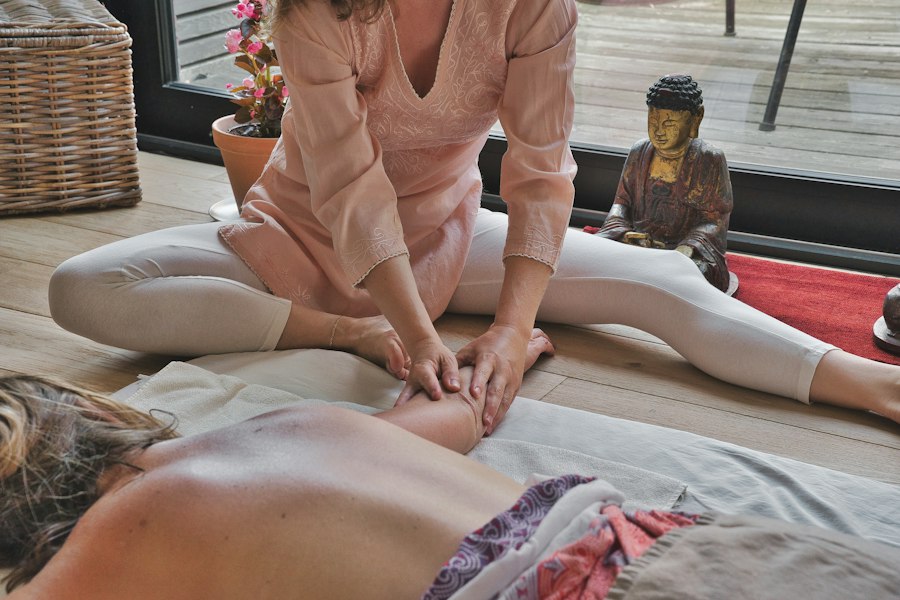
Mindfulness is the practice of paying attention to the present moment with non-judgmental awareness. It involves observing one’s thoughts, feelings, and sensations without getting caught up in them.
Mindfulness techniques can enhance rhythmic therapy by helping individuals to become more aware of their thoughts and emotions. This can help to reduce stress and anxiety, improve focus and concentration, and promote a sense of well-being.
Examples of mindfulness techniques for rhythmic therapy include deep breathing exercises, body scan meditations, and mindful movement practices such as yoga or tai chi. These techniques can be easily incorporated into a rhythmic therapy session to enhance its benefits.
Combining Rhythmic Therapy with other Holistic Practices
Rhythmic therapy can be combined with other holistic practices to enhance its benefits. Holistic practices are approaches to health and well-being that consider the whole person – mind, body, and spirit.
Examples of other holistic practices that can be combined with rhythmic therapy include acupuncture, massage therapy, aromatherapy, and energy healing. These practices can help to further promote relaxation, reduce stress and anxiety, and enhance overall well-being.
Different Types of Rhythmic Therapy and Their Benefits
There are various types of rhythmic therapy that can be used to promote healing and well-being. Some examples include drumming, chanting, singing bowls, and guided imagery.
Drumming therapy involves using drums or other percussion instruments to create rhythmic patterns. It has been used for centuries in various cultures as a means of communication, celebration, and healing. Drumming therapy can help to reduce stress and anxiety, improve focus and concentration, and promote a sense of well-being.
Chanting therapy involves using repetitive vocal sounds or mantras to induce a state of relaxation and inner peace. It has been used in various spiritual traditions as a means of connecting with the divine and promoting spiritual growth. Chanting therapy can help to reduce stress and anxiety, improve mood, and enhance spiritual well-being.
Singing bowl therapy involves using metal bowls to create soothing sounds and vibrations. It has been used in Tibetan Buddhism for centuries as a means of promoting relaxation and healing. Singing bowl therapy can help to reduce stress and anxiety, improve sleep quality, and promote a sense of well-being.
Guided imagery therapy involves using visualization techniques to promote relaxation and healing. It can be used in conjunction with rhythmic therapy to enhance its benefits. Guided imagery therapy can help to reduce stress and anxiety, improve mood, and enhance overall well-being.
How Rhythmic Therapy Can Help with Anxiety and Depression
Rhythmic therapy can be particularly beneficial for those who struggle with anxiety and depression. Research studies have shown that rhythmic therapy can help to alleviate symptoms of these conditions.
For example, a study published in the Journal of Music Therapy found that drumming therapy can help to reduce symptoms of depression and anxiety in adults. Another study published in the Journal of Affective Disorders found that singing bowl therapy can help to reduce symptoms of anxiety and depression in individuals with chronic pain.
These findings suggest that rhythmic therapy can be an effective adjunctive treatment for anxiety and depression. It can help individuals to relax, reduce stress, and improve mood, thereby promoting overall mental health and well-being.
Incorporating Rhythmic Therapy into Daily Life for a Happier, Healthier You
Incorporating rhythmic therapy into daily life can be a powerful tool for achieving a happier, healthier you. Here are some tips for incorporating rhythmic therapy into your daily routine:
1. Start your day with a rhythmic therapy practice such as drumming or chanting. This can help to set a positive tone for the rest of the day and promote a sense of well-being.
2. Take breaks throughout the day to engage in rhythmic activities such as deep breathing exercises or guided imagery. This can help to reduce stress and improve focus and concentration.
3. Use rhythmic therapy as a tool for relaxation and stress reduction before bed. This can help to promote better sleep quality and overall well-being.
4. Explore different types of rhythmic therapy and find what works best for you. Whether it’s drumming, chanting, singing bowls, or guided imagery, find a practice that resonates with you and incorporate it into your daily routine.
In conclusion, rhythmic therapy is a powerful tool for promoting healing and well-being. It harnesses the power of rhythm and sound to induce a state of relaxation, reduce stress and anxiety, and promote overall mental and physical health. By incorporating rhythmic therapy into your daily life, you can experience the numerous benefits it has to offer and achieve a happier, healthier you. So why not give it a try?
If you’re interested in exploring the therapeutic benefits of beat making, you might also enjoy reading the article “Beat Making Therapy: Works Alone or in Group Sessions to Improve Personal Wellbeing” from My Beat Makers. This insightful piece delves into the power of beat making as a form of therapy, whether practiced individually or in group sessions. It explores how this rhythmic therapy can enhance personal wellbeing and provide inner peace. To learn more about this fascinating topic, check out the article here. Additionally, you can find more informative articles on beat making and its various aspects on the My Beat Makers blog beatmakers.com/blog/”>here.
FAQs
What is rhythmic therapy?
Rhythmic therapy is a form of therapy that uses rhythmic patterns and beats to induce a state of relaxation and inner peace. It is based on the idea that the body and mind respond to rhythm and that certain rhythms can have a therapeutic effect.
How does rhythmic therapy work?
Rhythmic therapy works by using rhythmic patterns and beats to stimulate the brain and induce a state of relaxation. The brain responds to rhythm by synchronizing its own rhythms with the external rhythms, which can have a calming effect on the mind and body.
What are the benefits of rhythmic therapy?
The benefits of rhythmic therapy include reduced stress and anxiety, improved mood, increased focus and concentration, and improved sleep. It can also be used to treat conditions such as depression, PTSD, and addiction.
What are some examples of rhythmic therapy?
Some examples of rhythmic therapy include drumming circles, guided meditation with rhythmic background music, and dance therapy. Other forms of rhythmic therapy include chanting, singing, and playing musical instruments.
Is rhythmic therapy safe?
Rhythmic therapy is generally considered safe for most people. However, it may not be suitable for individuals with certain medical conditions, such as epilepsy or heart problems. It is always recommended to consult with a healthcare professional before starting any new form of therapy.
Where can I find rhythmic therapy?
Rhythmic therapy can be found in a variety of settings, including hospitals, clinics, and wellness centers. It can also be practiced at home using guided meditation or music therapy apps. Many communities also offer drumming circles and other forms of rhythmic therapy as part of their wellness programs.